What is Overconsumption?
Overconsumption is having excessive resources, products, and goods more than what is needed. Humans are using up resources faster than what the world can keep up with and it is affecting a lot more than what you’d think. Leads to environmental damage, social issues, decrease on resources, and more. An effect on Earth means an effect on humans, meaning we need to make changes now.
How is Overconsumption Promoted?
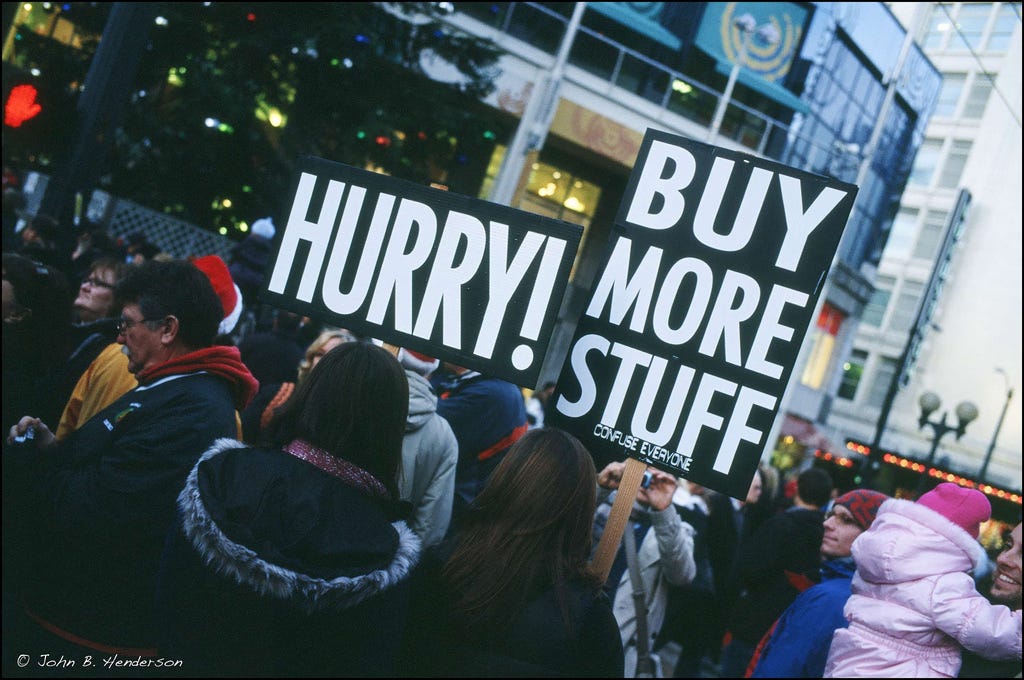
Overconsumption is being promoted all over the internet through aggressive marketing, social media influencers, and microtrends. An example of a microtrend is reusable water bottle brands, one year HydroFlask were trending, then it was Stanley, and now Owala. How did these brands for a reusable water bottle become so popular? Social media is where these short lived trends that gain quick popularity start and where they fade even just as quick. According to a study published in Journal of Marketing, paid ads from influencers can increase consumer willingness to buy products by up to 50%.
The psychology of social media and consumption is another factor that leads to one falling for overconsumption. FOMO (Fear of Missing Out) can influence users who see their friends or favorite social media influencers. When influencers show and talk about a new product is “so cool” and “changed their life”, users feel the need to fit in.
Environmental Impact of Overconsumption on Resources and Social Effects
The societal consequences have now reached the environment. How does overconsumption contribute to climate change and why is it a global problem? Pollution, deforestation, and climate change are all being affected which are not also affecting our food, health, and overall life. Fast fashion is an example of a major polluter with excessive water waste, toxic dyes, and long distance transportation.
- Pollution: Overconsumption leads to over production meaning more emissions from factories polluting air and more resource extraction polluting water damaging ecosystems.
- Climate Change: Overconsumption increases amount of greenhouse gases when products are made, transported, and thrown out.
- Deforestation: Overconsumption accelerates demand for natural resources pushing industries to clear more land leading to forests decreasing.
Overconsumption weakens social values by encouraging materialism, which can lead to a loss in trust and empathy. The constant ads and influencers pushing the idea to buy more to feel happiness can create unrealistic expectations, especially with the younger audience. Studies have shown that those who prioritize materialism are also more likely to experience anxiety, depression, and low self esteem. Especially with social media being so easily accessible, individuals are more likely to compare themselves with others online and can damage relationships.
The Solution and How Consumers Can Support a Sustainable Economy
It all starts with being a consumer and our purchasing habits. Consumers should keep and use our materials for as long as possible and repair if possible before purchasing a new item. How can you change your habits to participate in a sustainable economy?
- Buy products designed to last: Choose items that can be repaired, are durable, and have parts that can easily be replaced.
- Repair first, Repair later: These small actions can make great impacts like replacing a zipper, patch clothing, and upcycling furniture.
- Choose reusable, refillable, and bulk options: Items that sell refills for bottles to reduce plastic waste, using reusable containers, and shopping in bulk to reduce packaging.
- Choose ethical brands: Shifts demand and pushes the market towards circularity. Prioritize brands that can repair, recycle, and have take back programs.
- Buy second hand: Thrifting and resellers for no new production.
- Share, donate, or swap: Keeps goods in use longer.
Overall buy quality over quantity.
What should brands do? Companies can design durable and repairable products using eco friendly materials to reduce waste. They can cut supply chain emissions, reduce packaging, and promote responsible consumption. Brands must shift from high volume production to long lasting valuable products with transparency to protect people and the planet.
Brands Need to Be Honest
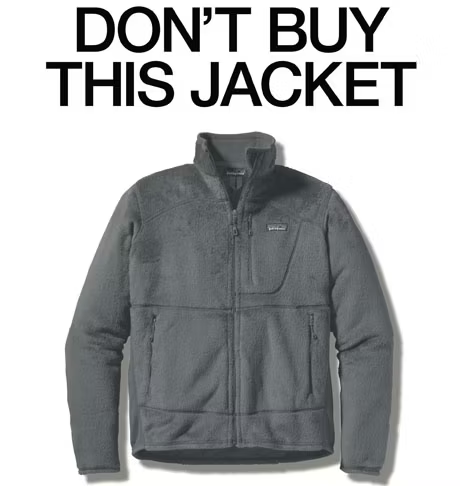
In November, 2011, Patagonia ran an ad in The New York Times on Black Friday telling people, “Don’t Buy This Jacket” to confront consumerism and to encourage people to buy less. They urged customers to reduce, repair, reuse, and recycle to decrease environmental impact. Some people saw this as hypocrisy since Patagonia is a well known growing brand and is promoting to reduce consumption. Their goal is to make durable long lasting products and believe that environment responsible includes individuals to think before they buy.
Why should more brands follow Patagonia’s approach? When companies encourage people to buy only what they truly need or to repair, reuse, and recycle products, they help reduce waste, pollution, and reduce the need for natural resources. This shift would push other businesses to make higher quality and long lasting goods instead of cheap items that will end up in landfills and take hundreds of years to decompose.
Have You Ever Wondered What Are You Actually Wearing?
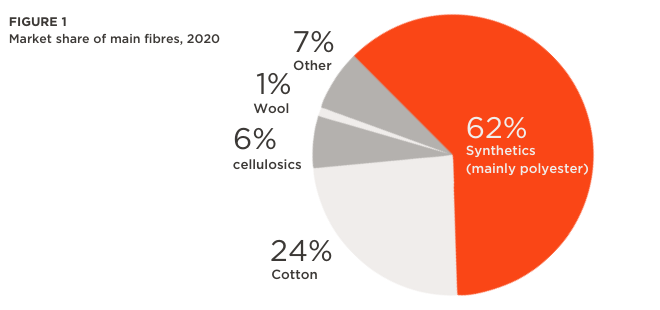
Over half of the fabric used in the fashion industry are synthetics, mainly polyester, so basically just plastic. Polyester is a man made synthetic or type of plastic derived from petroleum. It is convenient for fashion companies to use since it is low cost, lightweight, and shrink resistant, but is inconvenient for the environment. Polyester has significant negative environmental impacts. In 2014, a groundbreaking study revealed that during consumer use when washing polyester, it releases tiny microplastics are into waterways contributing to global water contamination threatening marine and human health. Currently, there are plant based polyesters available but it is still uncertain inf they actually reduce environmental impact.
Leave a Reply